


सूक्ष्म, लघु और मध्यम उद्यम पंजीकरण
UDYAM / MSME ONLINE PORTAL - PRIVATE





The and the impact of the WCC.
Malayalam cinema is not an escape from reality; it is a confrontation with it. It holds a mirror to Kerala’s achievements (literacy, healthcare, gender equity) and its hypocrisies (casteism, religious bigotry, patriarchal violence). In an era of global homogenization, Malayalam cinema remains fiercely —in its dialect, its food, its rain, and its quiet, revolutionary humanism. To watch a Malayalam film is to understand that the most powerful stories are not about superheroes, but about ordinary people caught in the extraordinary machinery of culture. The and the impact of the WCC
Malayalam cinema stands as a powerful testament to the strength of a culture that values literature, questions authority, and embraces progressive thought. Its journey from a lone dentist's tragic passion project in 1930 to a globally celebrated industry is a triumph of art, storytelling, and cultural specificity. In an era of global homogenization, Malayalam cinema
The 1954 film Neelakuyil (The Blue Cuckoo), directed by P. Bhaskaran and Ramu Kariat, is often cited as the birthplace of this distinct identity. It dealt with caste discrimination and untouchability—issues that were tearing apart Kerala’s agrarian society. While Hindi cinema was still scripting romantic fantasies, Malayalam cinema was already tackling the , which had swept the state in 1957. Its journey from a lone dentist's tragic passion
 Fill Application Form Above
 Make Online Payment
 Get Call OTP Verification
  Receive Confirmation Mail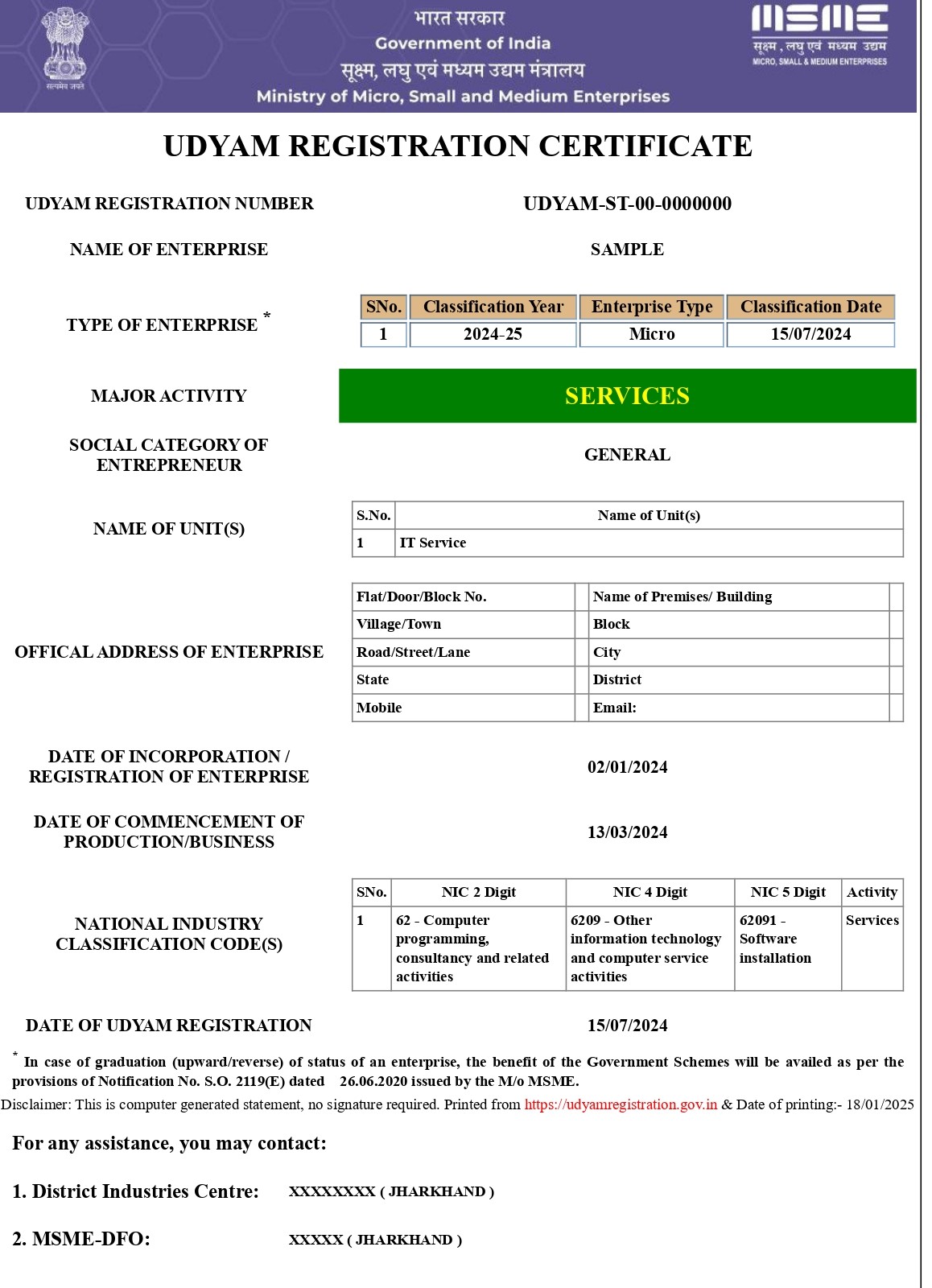
Ricky Manchanda, from Haryana
Recently Applied For UDYAM Certificate