








Today, the integration of behavioral science has birthed the "Fear-Free" and "Low-Stress Handling" movements. These practices recognize that psychological trauma can cause long-lasting physiological damage, including elevated cortisol levels, prolonged healing times, and lifelong aversion to medical care.
As veterinary science advances, the field is looking closer at the genetic and molecular roots of behavior. Behavioral genomics aims to identify specific gene markers associated with traits like noise phobia, impulsivity, and social anxiety.
Simultaneously, the field of veterinary psychopharmacology is expanding. Veterinarians now utilize targeted neurotransmitter modulators, including Selective Serotonin Reuptake Inhibitors (SSRIs), Tricyclic Antidepressants (TCAs), and novel alpha-2 adrenoceptor agonists. These medications are not used to sedate or "dope" the animal, but rather to lower their baseline anxiety to a level where cognitive learning and behavior modification can actually take place. Conclusion
Modern veterinary medicine increasingly focuses on "Fear Free" or low-stress handling. This isn't just about kindness; it's about better medicine. When an animal experiences extreme stress during a clinic visit, their body releases a surge of cortisol and adrenaline. These physiological responses can mask pain, skew blood glucose readings, and even delay wound healing or suppress the immune system. By understanding species-specific body language—such as "whale eye" in dogs or flattened ears in horses—veterinary professionals can adjust their approach to keep the patient calm, leading to more accurate diagnoses and faster recovery times. The Human-Animal Bond and Compliance
“Not just sound,” Elara whispered, her veterinary instincts clicking together with her behavioral training. “Vibration. The curing asphalt is sending micro-vibrations through the bedrock. The sheep feel it in their hooves.”
Animal behavior and veterinary science are two sides of the same coin. While veterinary medicine historically focused on physical health, modern practice treats mental and emotional well-being as equally vital. Understanding how animals think, feel, and react is no longer just a luxury for behaviorists—it is a core component of effective veterinary medicine. The Convergence of Two Fields
The treatment protocol for these conditions is indistinguishable from human psychiatry: a combination of environmental modification (behavioral therapy) and psychoactive medications (fluoxetine, clomipramine). But crucially, the must first rule out medical causes. A dog with Cushing’s disease (hyperadrenocorticism) may present with panting and restlessness that mimics anxiety. A cat with a brain tumor may present with sudden, unprovoked aggression.
The AAC Language Lab offers real-life solutions in support of language development. Explore language stages and interactive materials designed for Speech Language Pathologists (SLPs), Educators and Parents. An annual subscription provides full access to all materials including guided lesson plans, an activities section, a language screener, implementation tips and more.
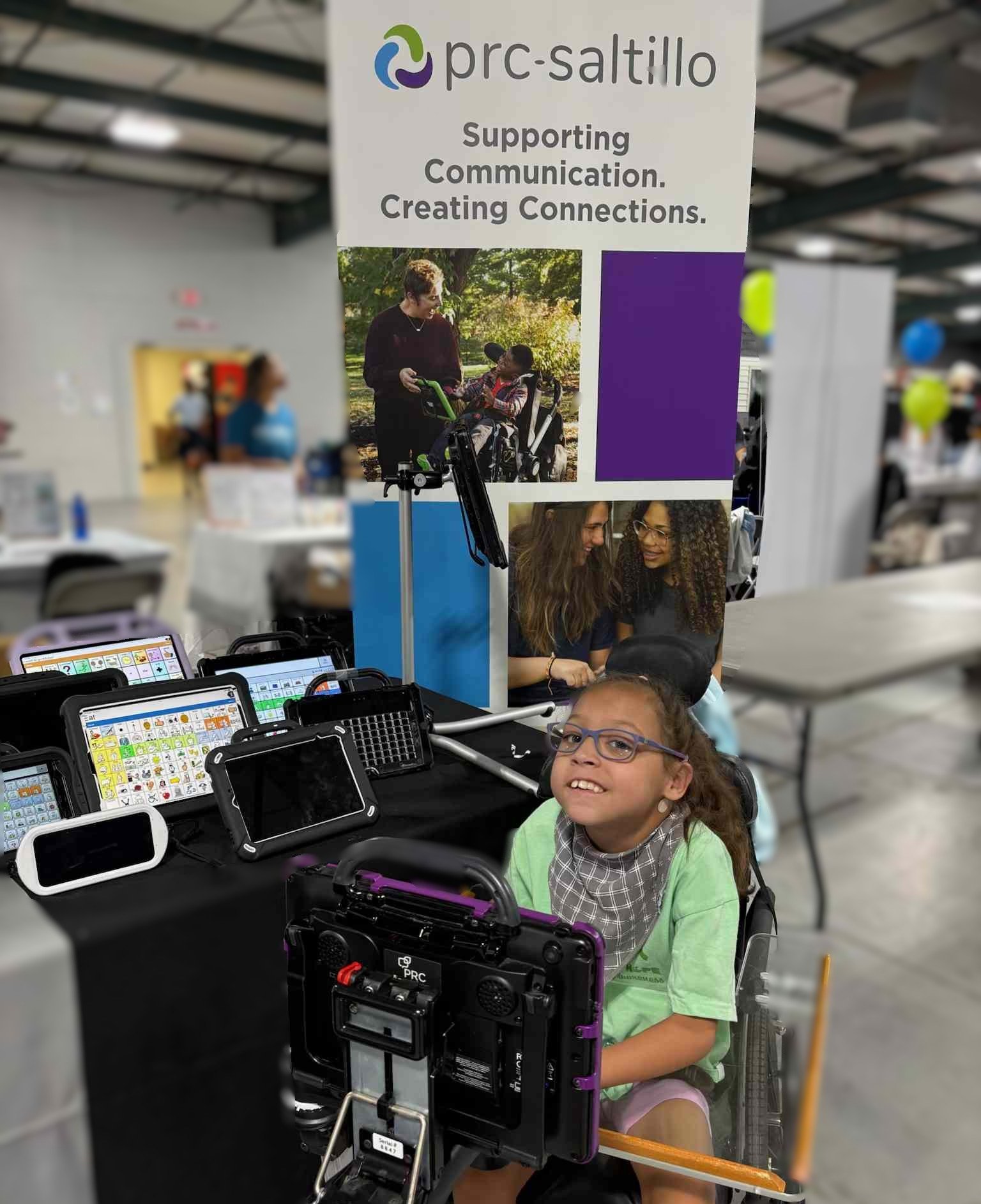
With over 50 years of experience in augmentative and alternative communication (AAC) PRC-Saltillo is pleased to offer this unique online resource.
We have made our service even better with all the new features and a lower price. For just $19.95 a year, you will have access to all of these valuable resources.
Today, the integration of behavioral science has birthed the "Fear-Free" and "Low-Stress Handling" movements. These practices recognize that psychological trauma can cause long-lasting physiological damage, including elevated cortisol levels, prolonged healing times, and lifelong aversion to medical care.
As veterinary science advances, the field is looking closer at the genetic and molecular roots of behavior. Behavioral genomics aims to identify specific gene markers associated with traits like noise phobia, impulsivity, and social anxiety. Today, the integration of behavioral science has birthed
Simultaneously, the field of veterinary psychopharmacology is expanding. Veterinarians now utilize targeted neurotransmitter modulators, including Selective Serotonin Reuptake Inhibitors (SSRIs), Tricyclic Antidepressants (TCAs), and novel alpha-2 adrenoceptor agonists. These medications are not used to sedate or "dope" the animal, but rather to lower their baseline anxiety to a level where cognitive learning and behavior modification can actually take place. Conclusion
Modern veterinary medicine increasingly focuses on "Fear Free" or low-stress handling. This isn't just about kindness; it's about better medicine. When an animal experiences extreme stress during a clinic visit, their body releases a surge of cortisol and adrenaline. These physiological responses can mask pain, skew blood glucose readings, and even delay wound healing or suppress the immune system. By understanding species-specific body language—such as "whale eye" in dogs or flattened ears in horses—veterinary professionals can adjust their approach to keep the patient calm, leading to more accurate diagnoses and faster recovery times. The Human-Animal Bond and Compliance
“Not just sound,” Elara whispered, her veterinary instincts clicking together with her behavioral training. “Vibration. The curing asphalt is sending micro-vibrations through the bedrock. The sheep feel it in their hooves.” Behavioral genomics aims to identify specific gene markers
Animal behavior and veterinary science are two sides of the same coin. While veterinary medicine historically focused on physical health, modern practice treats mental and emotional well-being as equally vital. Understanding how animals think, feel, and react is no longer just a luxury for behaviorists—it is a core component of effective veterinary medicine. The Convergence of Two Fields
The treatment protocol for these conditions is indistinguishable from human psychiatry: a combination of environmental modification (behavioral therapy) and psychoactive medications (fluoxetine, clomipramine). But crucially, the must first rule out medical causes. A dog with Cushing’s disease (hyperadrenocorticism) may present with panting and restlessness that mimics anxiety. A cat with a brain tumor may present with sudden, unprovoked aggression.

Students can do a variety of Earth Day related activities.
Stage Four - Add More WordsLearn successful speech strategies with one of our lesson plans

This month we’re exploring how we can send kind, silly, or funny mes...
Stage All - All LevelsGet excited about AAC with activities that make learning fun
by Naiya Daves, PRC-Saltillo Ambassador This summer I did a 3 w...
Blog Post - Dec 02 2025Read the latest blogs and find out what's going on in the AAC community

The student will speak using single words.
Stage One - Use Single WordsSee this month's most popular lesson plan
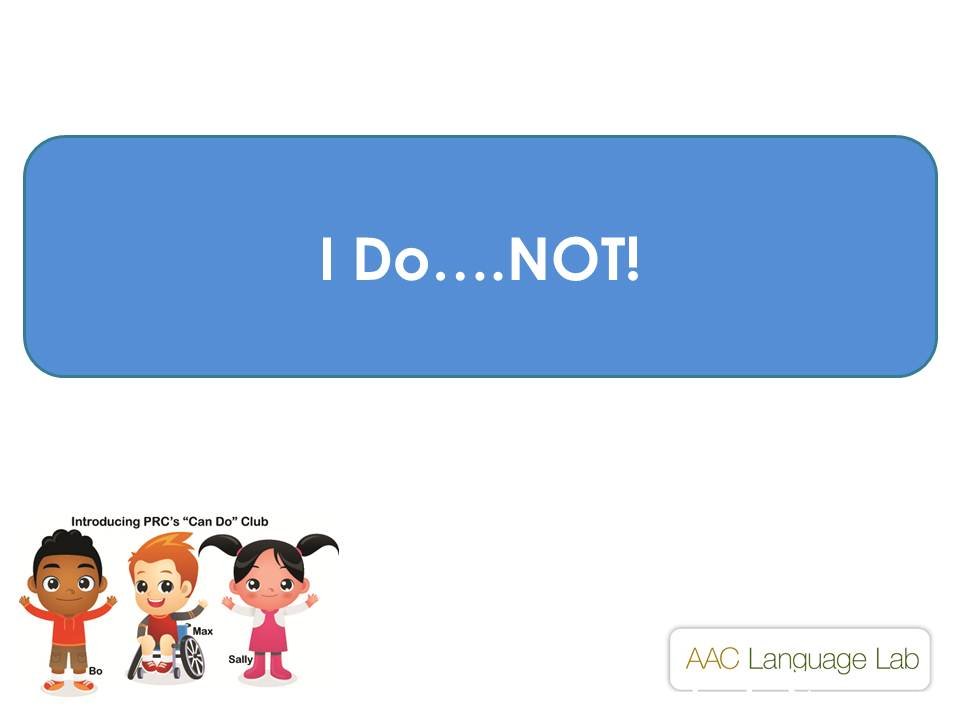
Encourage the student to direct the behavior of others using negatives...
Stage One - Express NegativesSee this month's most popular activity