偵測到廣告阻擋
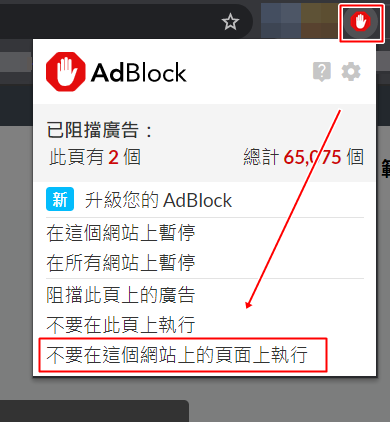
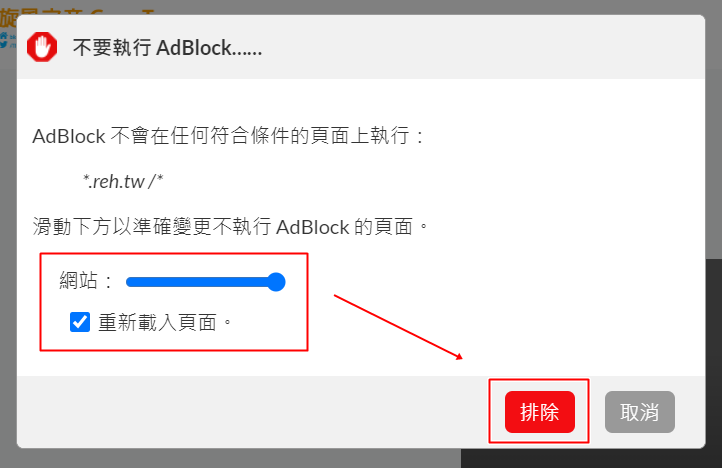
我們知道您不想要看到廣告而破壞了閱讀體驗,我們也討厭看到廣告,但為了施法維持本站的營運和養一群神奇蹦蹦魔法工程師,希望您不要使用 AdBlock 等黑魔法封鎖本站廣告,您可以施展魔力,將本站網域添加到白名單,讓我們有收入可以施法,非常感謝您的支持!
您也可以請我們原神課一單 (X
另外,這只是一則提醒,您可以直接關閉訊息,且不會有任何副作用,但我們會很難過QAQ
The specific file extension (Matroska Video) is deeply tied to how Captivity was preserved and viewed by audiences. 1. The High-Definition Revolution
These posters were displayed on billboards across Los Angeles and on 1,400 taxis in New York, provoking a wave of public fury. The outcry was so intense that the film's release date was pushed back. Lionsgate, the distributor, quickly distanced itself from the ads, stating they had no knowledge of the campaign. The producers ultimately ordered the removal of the billboards from the streets. The controversy became so noteworthy that, for many, it remains the film's only lasting legacy. Captivity -2007-.mkv
: The film's distributors, After Dark Films , were forced to withdraw advertisements featuring graphic images of a woman being tortured after public outcry. The specific file extension (Matroska Video) is deeply
Critically, Captivity was panned by journalists. Roger Ebert awarded it zero stars, criticizing its derivative nature and mean-spirited execution. The film currently holds a dismal rating on Rotten Tomatoes, with critics pointing out that Joffé’s direction lacked the raw, visceral energy that made contemporaries like Saw or The Descent successful. The outcry was so intense that the film's
Captivity (2007) serves as a fascinating case study in how not to make and market a horror film. It remains a cautionary tale of an over-budgeted, critically reviled movie that became infamous for all the wrong reasons. The film's troubled production and ultimate failure are what keep it alive in the digital space today, often preserved in the MKV format for curious horror fans. Ultimately, Captivity is a flawed and, by most accounts, deeply unpleasant film. However, its history, from its controversial origins to its status as a digital artifact, is perhaps more interesting than the movie itself.
Even before its theatrical debut, Captivity became a flashpoint for controversy due to its marketing campaign.
我們知道您不想要看到廣告而破壞了閱讀體驗,我們也討厭看到廣告,但為了施法維持本站的營運和養一群神奇蹦蹦魔法工程師,希望您不要使用 AdBlock 等黑魔法封鎖本站廣告,您可以施展魔力,將本站網域添加到白名單,讓我們有收入可以施法,非常感謝您的支持!
您也可以請我們原神課一單 (X
另外,這只是一則提醒,您可以直接關閉訊息,且不會有任何副作用,但我們會很難過QAQ