
Mallu Aunty Sex Boobs Pressing Desi Girls Love Bangalore Aunty Exposing Big Boobs Top |work| Jun 2026
باشترین و خێراترین ئینتەرنێتی بێ وایەری 5GHz بۆ ماڵ و شوێنە بازرگانییەکان
زیاتر بزانە
باشترین و خێراترین ئینتەرنێتی بێ وایەری 5GHz بۆ ماڵ و شوێنە بازرگانییەکان
زیاتر بزانەکۆمپانیای سوپەرنێت، پێشەنگی دابینکردنی خزمەتگوزاری ئینتەرنێتی بێ وایەرە لە هەرێمی کوردستان. ئێمە بە بەکارهێنانی نوێترین تەکنەلۆژیای 5GHz، خزمەتگوزارییەکی بێوێنە پێشکەش دەکەین کە تایبەتە بە خێرایی، سەقامگیری، و نرخی گونجاو.
تیمەکەمان لە شارەزایانی بواری ئینتەرنێت پێکهاتووە کە بەردەوام کار لەسەر نوێکردنەوە و باشترکردنی خزمەتگوزارییەکانمان دەکەن، تا دڵنیا بین لەوەی ئێوە هەمیشە بە باشترین کوالیتی و خێراترین ئینتەرنێت بەستراونەتەوە بە جیهانەوە.

Renowned for its tight, ingenious screenplay and global popularity.
The journey of Malayalam cinema began nearly a century ago. The first Malayalam film, a silent movie titled Vigathakumaran , was released in 1928. It was produced and directed by J. C. Daniel, a businessman with no prior film experience, who had a vision for a Malayalam feature film. The second film, Marthanda Varma (1933), was based on C.V. Raman Pillai's classic novel, setting an early tradition of adapting literary works for the screen. Renowned for its tight, ingenious screenplay and global
: The 1970s and 1980s marked a golden age of parallel cinema. Visionary directors like Adoor Gopalakrishnan and G. Aravindan rejected commercial formulas. Their art-house films focused on existential realism, psychological depth, and minimalistic storytelling. Core Themes Reflecting Kerala's Identity It was produced and directed by J
The regional film industry of Kerala, popularly known as Malayalam cinema or Mollywood, stands out in the global cinematic landscape. It connects deeply with the state’s unique social, political, and artistic traditions. Unlike commercial film industries that rely mostly on exaggerated fantasy, Malayalam cinema is praised for its realism, strong screenplays, and deep cultural roots. Historical Evolution and Literary Roots The second film, Marthanda Varma (1933), was based on C
: Known for his unparalleled spontaneity and effortless screen presence, Mohanlal came to define the everyday Malayali protagonist. His collaborations with director Padmarajan and screenwriter Dennis Joseph yielded characters that blended vulnerability with heroic charm.
The period from the 1950s to the 1970s marked a golden age for Malayalam cinema. Following the formation of the state of Kerala in 1956, there were deliberate attempts to redefine Malayalam cinema in connection with the region's culture. The 1970s saw the arrival of the "new wave" with Adoor Gopalakrishnan's Swayamvaram (1972), which he is credited with pioneering. Adoor Gopalakrishnan has won 16 National Film Awards, the Padma Shri and Padma Vibhushan, as well as the Dadasaheb Phalke Award. This period also saw the emergence of other great filmmakers like John Abraham and Govinda Aravindan, who focused on realistic and socially conscious cinema. The film society movement, spurred by the Chitralekha Film Society, played a crucial role in shaping this era.
باشترین پلانەکان بە گوێرەی پێداویستییەکانی تۆ
ئێمە پلانێکی کارتی تایبەتمان هەیە بۆ کۆمپانیا و شوێنە بازرگانییەکان
پەیوەندی بکەباشترین ئەزموونی کات بەسەربردن لەگەڵ سوپەرنێت
سوپەرنێت خزمەتگوزاری IPTV پێشکەش دەکات بۆ بینینی هەزاران کەناڵی تەلەفیزیۆنی بە کوالێتی بەرز و بێ بڕان.
ئەپڵیکەیشنی سوپەرنێت یارمەتیت دەدات بۆ بەڕێوەبردنی بەکارهێنانی ئینتەرنێت و کۆنترۆڵکردنی هێڵەکەت.
لەگەڵ کوردفیلم کار دەکەین بۆ پێشکەشکردنی باشترین فیلم و زنجیرە درامای کوردی بە خێرایی بەرز و بێ کێشە.
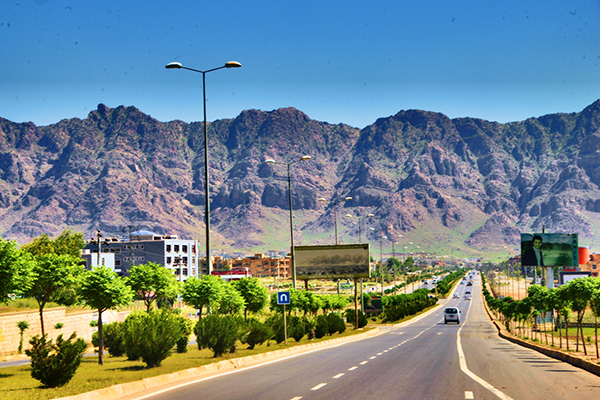
هێڵی سوپەرنێت ئیستا لە تەواوی ڕانیە بەردەستە، بە خێرایی بێوێنە و نرخی گونجاو...
زیاتر بزانە →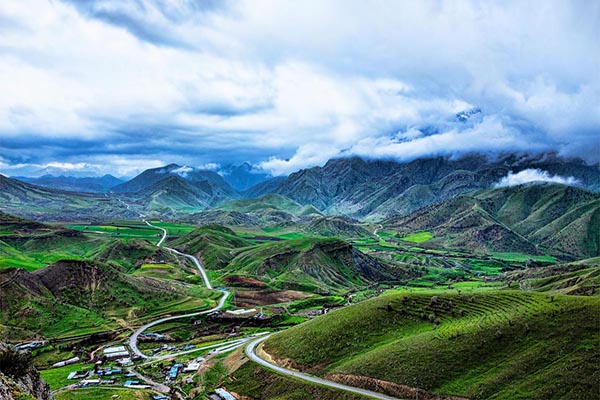
هێڵی سوپەرنێت بەمزوانە لە دەڤەری پشدەر بەردەست دەبێت، بە خێرایی بێوێنە و نرخی گونجاو...
زیاتر بزانە →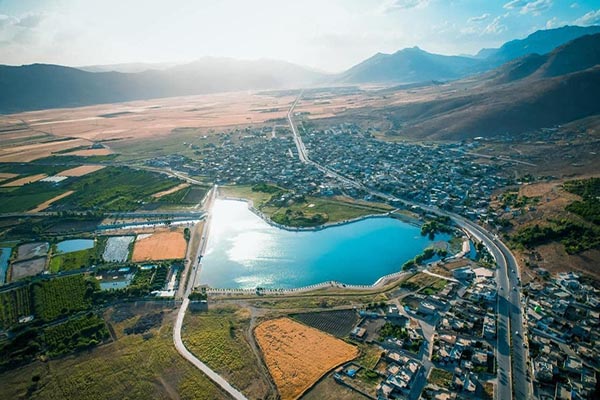
هێڵی سوپەرنێت ئیستا لە تەواوی سەروچاوە بەردەستە، بە خێرایی بێوێنە و نرخی گونجاو...
زیاتر بزانە →بۆ زانیاری زیاتر دەربارەی خزمەتگوزارییەکانمان، پەیوەندیمان پێوەبکە
ڕانیە - شەقامی پێشەوا نێوان ترافیکی نەورۆز و ناوبازاڕ - تەنیشت غەسل و پۆڵیشی وشیار
07501249187
07501773618
07729722272
supernetcompany1@gmail.com